
Rhinoplasty
Create a Natural, Proportionate Nose with Rhinoplasty
Many patients who are considering rhinoplasty, commonly referred to as a nose job, may be doing so for aesthetic reasons, or they require it for health purposes. This is because the rhinoplasty is a highly-versatile plastic surgery procedure that can restore and reshape many different aspects of the nose.
Quick Links
Doctor Certifications
Dr. Angelchik was certified by the American Board of Plastic Surgery (ABPS) in 1996 and successfully completed a rigorous recertification process in 2006 and 2016. He participates in the Maintenance of Certification program through the ABPS. He is a member in good standing of the American Society of Plastic Surgeons. He has also been named to Castle & Connolly’s Top Doctors in America every year since 1996.



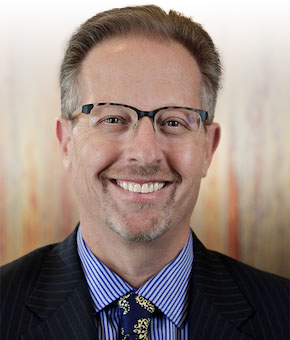
Dr. Paul Angelchik is a Phoenix plastic surgeon who is board-certified by the American Board of Plastic Surgery. He is also a member of the American Society of Plastic Surgeons. Dr. Angelchik is well-trained and experienced in all forms of plastic surgery, namely breast enhancement and facial rejuvenation. He has been serving patients for over 20 years. Dr. Angelchik brings his surgical experience, expertise, and quality care to patients in and around Phoenix, Arizona.
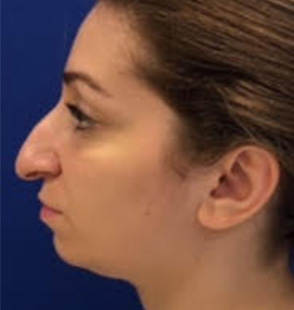
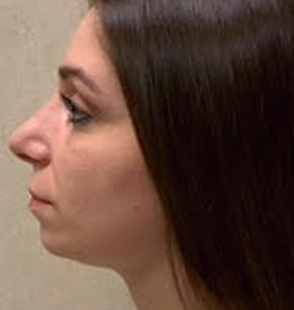
The rhinoplasty procedure aims to change different parts of the nose to make them more aesthetically-pleasing and bring them into better harmony with the rest of the face. Additionally, it can be used to correct anatomical issues like a deviated septum, which can cause difficulty breathing. These goals are achieved by surgical techniques that reduce or augment the anatomy of the nose using various methods. The rhinoplasty is often considered the most technically-challenging plastic surgery procedure because of the nose’s delicate structure. Because of this, the rhinoplasty can also come with the longest recovery periods out of any cosmetic procedure.
There are a number of health factors you need to consider in order to determine if rhinoplasty is the right option for you. During your consultation, Dr. Angelchik will discuss:
- Physical Health – Ideal candidates should be overall healthy and have passed a physical examination before the surgery.
- Mental Health– If you have realistic expectations about both the results and your healing process, then your rhinoplasty has a greater chance of success.
- Age – Ideally, your face will be fully developed and grown before your procedure. Typically, this occurs between the ages of 14 to 16.
- Lifestyle Choices – If you are a smoker, this can negatively impact your surgery. Dr. Angelchik will instruct you to stop smoking at least a few months in advance of your procedure.
There are two methods of performing a successful rhinoplasty, and Dr. Angelchik will discuss the best option for you during your consultation. These two methods include:
Open Rhinoplasty
This technique is performed using a small, bridging incision across the columella, or skin between the nostrils. This allows the cartilage and skin of the nose to be pulled upwards so that the underlying structure can be accessed and manipulated. This method is usually preferred for extensive changes to the nose, including cartilage grafts or correction of a deviated septum.
Closed Rhinoplasty
This technique prevents any visible scarring, since incisions are made entirely within the nostrils. However, it can better accommodate small changes like reducing the bridge of the nose or the tip.

Read Our Blog



Rhinoplasty Information from Dr. Paul Angelchik
When you go home, you should rest and focus on recovery. Don’t plan to do any of your normal activities. When you sleep, you should try to keep your head elevated to reduce swelling and bleeding. The area around your eyes will be bruised after surgery, with possible bruising on your cheeks as well. Bruising is at its worst for the first three days, then will gradually begin to dissipate within a week. If you plan to use makeup to cover the bruising, make sure you wait until a couple days after surgery. You can take pain medications as prescribed by Dr. Angelchik. He will send you home with recovery information as well as which medications should be avoided during your recovery.
The majority of healing takes place in the weeks following your nose surgery. Although each patient heals differently, the following are common:
- Significant reduction in swelling after one to two weeks
- Return to work within 7-10 days.
- Return to all normal activities and exercise within a few weeks. If you play contact sports, Dr. Angelchik will let you know when it is safe to return to your sport without the threat of injuring your healing nose.
- Minor changes in nose shape and swelling for several weeks. These changes will be nearly imperceptible.
Although your results should be satisfactory after a few weeks, your nose shape will continue to change slightly over the following year. These changes do not affect the appearance of your nose drastically. Generally, nose surgery results are permanent. As you grow older, your nose tissue and cartilage may lose some elasticity, causing the shape of your nose to slightly change. In most cases, age-related changes in nose appearance are slight.
Dr. Angelchik is a top, board certified plastic surgeon in the Phoenix, Scottsdale, and Glendale, AZ area who specializes in excellent rhinoplasty techniques and results. To begin planning your facial plastic surgery procedure, contact our office by calling or filling out our online form.
Frequently Asked Questions
Can a nose job make your nose smaller?
Can I sleep on my side after rhinoplasty?
Can nasal bone be shaped?
Can nasal polyps change shape of nose?
Does deviated septum surgery change your nose?
Does your voice change after rhinoplasty?
How bad is nose job recovery?
How do I prepare for a nose job?
How long is recovery from rhinoplasty?
How much does it cost for a good nose job?
How much does liposuction cost?
How much is a nose job?
What are the side effects of rhinoplasty?
What is a bulbous nose tip?
What is closed rhinoplasty?
What is external rhinoplasty?
Can rhinoplasty help sinus problems?
Can you die from rhinoplasty?
Do nose jobs last forever?
Do spreader grafts widen the nose?
How long are you swollen after rhinoplasty?
How long do splints stay in after septoplasty?
How long does a nose job take to perform?
How long does non surgical rhinoplasty last?
How should I sleep after nose surgery?
How should I sleep after rhinoplasty?
Is nose job permanent?
What types of nose jobs are there?
Why do nose jobs collapse?
Will the tip of my nose get smaller after rhinoplasty?
Before & Afters
View More Cases >