Breast Lift
Achieve a Natural, Lifted Look with Breast Lift Surgery
Quick Links
Doctor Certifications
Dr. Angelchik was certified by the American Board of Plastic Surgery (ABPS) in 1996 and successfully completed a rigorous recertification process in 2006 and 2016. He participates in the Maintenance of Certification program through the ABPS. He is a member in good standing of the American Society of Plastic Surgeons. He has also been named to Castle & Connolly’s Top Doctors in America every year since 1996.



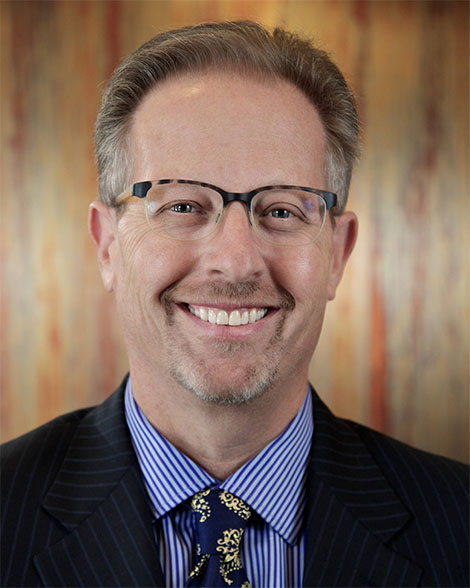
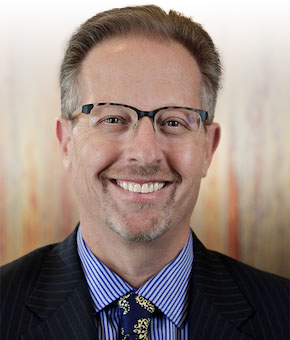
Dr. Paul Angelchik is a Phoenix plastic surgeon who is board-certified by the American Board of Plastic Surgery. He is also a member of the American Society of Plastic Surgeons. Dr. Angelchik is well-trained and experienced in all forms of plastic surgery, namely breast enhancement and facial rejuvenation. He has been serving patients for over 20 years. Dr. Angelchik brings his surgical experience, expertise, and quality care to patients in and around Phoenix, Arizona.
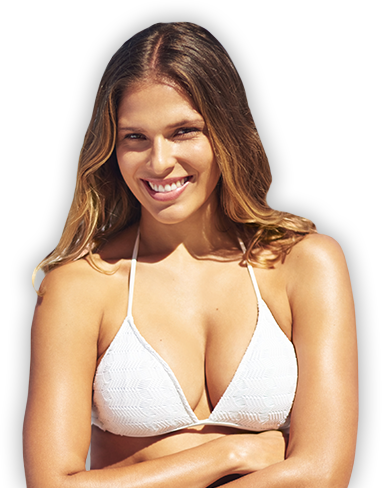
A breast lift procedure, also called mastopexy, involves a combination of tissue removal and skin tightening to lift a drooping or sagging breast to a more youthful, lifted position. In doing so, the nipple and areola are also repositioned to a more aesthetically-pleasing location on the breast. The procedure may or may not be combined with breast augmentation, depending upon the client’s aesthetic goals.
[inject-galleies]
Breast lift specifically addresses a condition called ptosis, which is a sagging and lack of volume of the breast. Ptotic breasts sag when layers of the skin and certain ligaments become stretched and weakened. Ptosis may occur as a result of pregnancy, or it may simply be a consequence of aging. Regardless of the cause, a breast lift procedure can restore the breast to an elevated position. Patients experiencing this condition make excellent candidates for a breast lift, but candidates should also be healthy and have no future plans for pregnancy.
Dr.Angelchick did an amazing job my breasts are perky yet still natural looking. My abs are beautiful! Thanks Dr. angelchick Read More >
The breast lift can be performed in the Phoenix, Gilbert, and Glendale, AZ area using a few different incisions that will be discussed during your consultation. These include:
Periareolar Incision
This technique follows around the pigmentation of the areolae and can effectively reduce and reposition the nipple during the procedure. It allows the least visible scarring and reduction of skin and tissue.
Keyhole Incision
This technique includes an extension of the periareolar incision, which extends down to the breast fold. This allows for additional reduction and lifting of the tissues.
Anchor Incision
This technique offers the most extensive rejuvenation of the breasts due to its additional incisions that follow along the breast crease. This incision can be most effective for ptopic breasts that are large and droopy, as well as those with significant areolar pigmentation and drooping of the nipples.

Read Our Blog


A breast lift is performed using general anesthesia at an accredited surgical facility. Most patients return home after the procedure, although Dr. Angelchik may determine an overnight stay may be best for you. During the breast lift procedure, Dr. Angelchik carefully makes predetermined incisions and removes tissue from key areas if necessary. Excess skin can also be removed and lifted, with repositioning of the nipple, if needed. If the breast lift is combined with augmentation, then the implants are also placed at this time. The surrounding skin is tightened and sutured closed in such a way as to minimize scarring. After the surgery is complete, you’ll be fitted with a surgical bra to support and compress the area.
Recovery from breast lift surgery is similar to other cosmetic surgical procedures. You’ll need to get plenty of rest for the first few days after your surgery and, for about a month, we’ll ask that you refrain from lifting anything heavier than 10 to 15 pounds. Upper body exercise needs to be minimized during the recovery period so that your breasts have ample opportunity to heal. Dr. Angelchik will prescribe pain medication and, if appropriate, muscle relaxants as well. After a period of about 2-3 weeks, any minor bruising should disappear.
A breast lift in the Phoenix, Gilbert, and Glendale, AZ area can be a great option for rejuvenating the breasts without implants. To see what a breast lift can do for you, contact our office to schedule a consultation with Dr. Angelchik, a top breast surgeon in the Glendale area.
FAQS
Is a breast lift covered by insurance?
Does a breast lift cost more than implants?
Does a breast lift leave scars?
Do I need a breast lift or just implants?
Do you lose sensation with breast lift?
Do you still have feeling in your nipples after breast lift?
How do you shower after a breast lift?
How long does it take for breast lift scars to heal?
How long do breast lift results last?
How much does breast lift cost?
How long does a breast lift take?
How much is a mini breast lift?
How painful is a breast lift?
What is a partial breast lift?
How soon after breast lift can I exercise?
Is getting a breast lift safe?
What types of breast lifts are there?
Will a breast lift reduce cup size?
Will a breast lift remove stretch marks?
Will breast lift affect breastfeeding?
How long does a breast lift last?
Our Gallery
View our Breast Lift Gallery here.